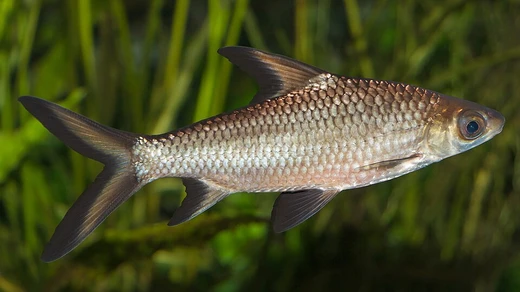
Grouper
Groupers are large, predatory fish known for their protogynous hermaphroditism.
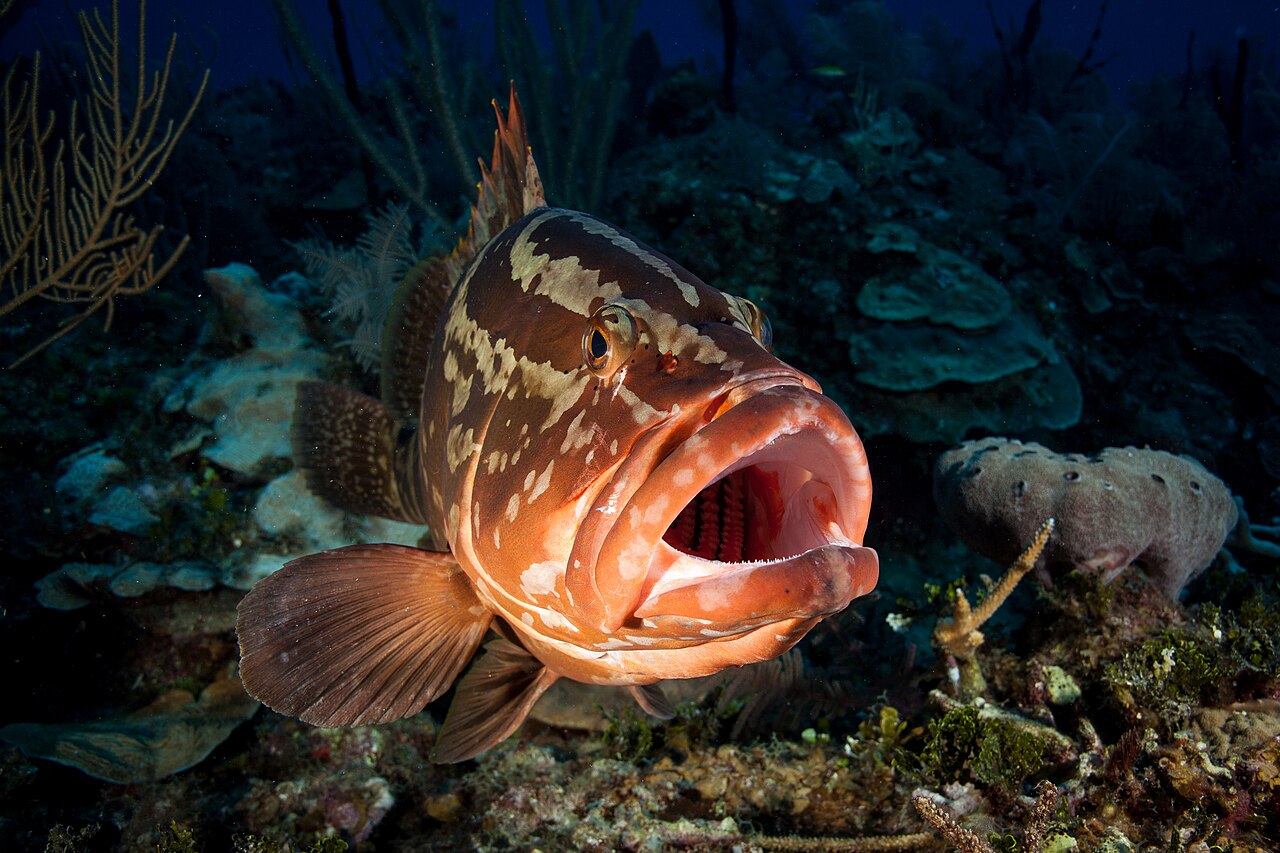
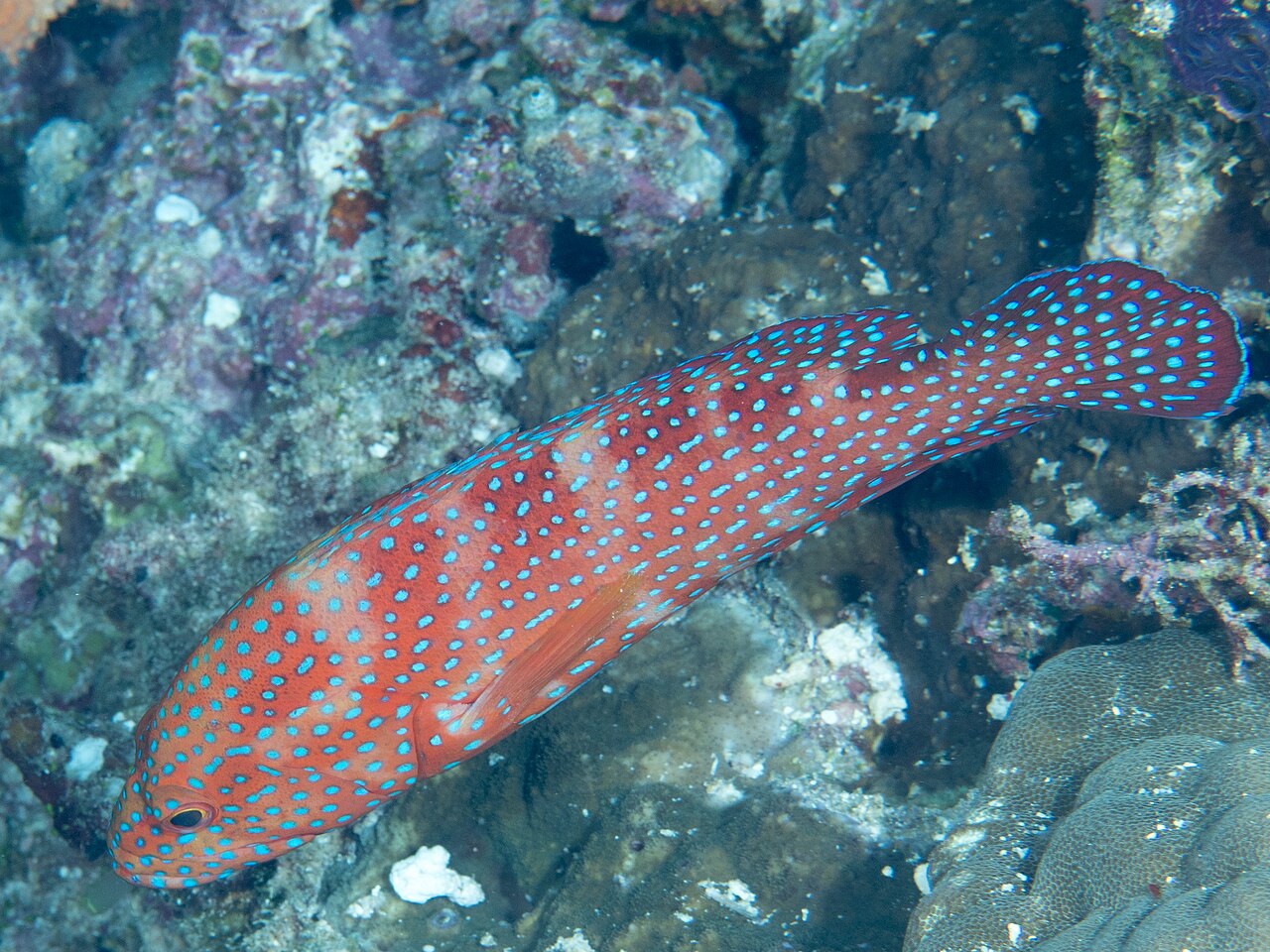
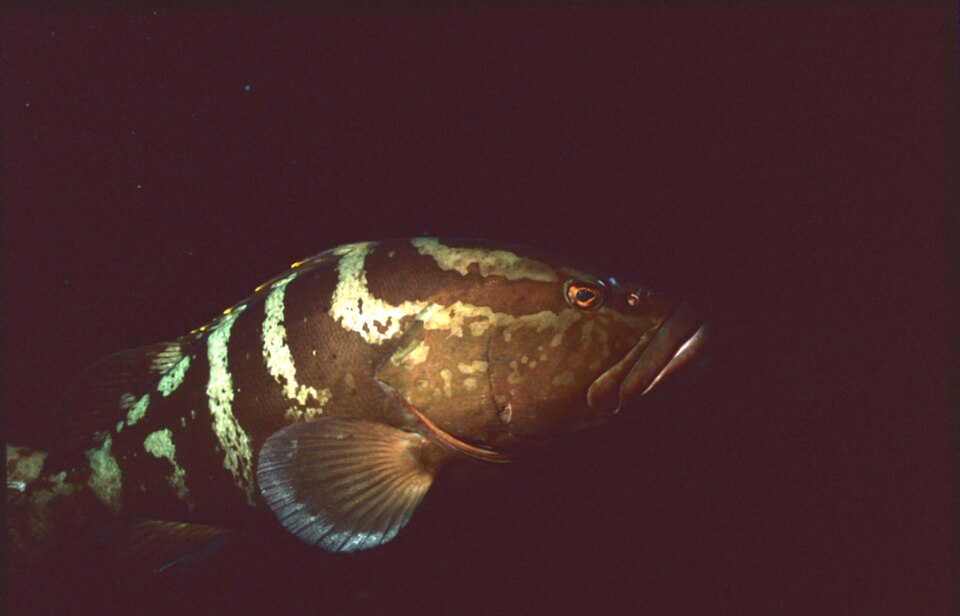
Groupers are marine ray-finned fish belonging to the family Epinephelidae, within the order Perciformes. They were once classified as a subfamily of seabasses (Serranidae), but scientists now consider them a separate family. Not every member of Epinephelidae is called a grouper. The name typically applies to fish from two large genera, *Epinephelus* and *Mycteroperca*, plus species in the smaller genera *Anyperidon*, *Chromileptes*, *Dermatolepis*, *Graciela*, *Saloptia*, and *Triso*. Those in *Plectropomus* are known as coral groupers. All these genera fall under the subfamily Epinephelinae, which also includes hamlets (*Alphestes*), hinds (*Cephalopholis*), lyretails (*Variola*), and a few other small genera like *Gonioplectrus*, *Niphon*, and *Paranthias*. Occasionally, species in other serranid genera have common names that include the word "grouper," but the term alone generally refers to the family Epinephelidae.
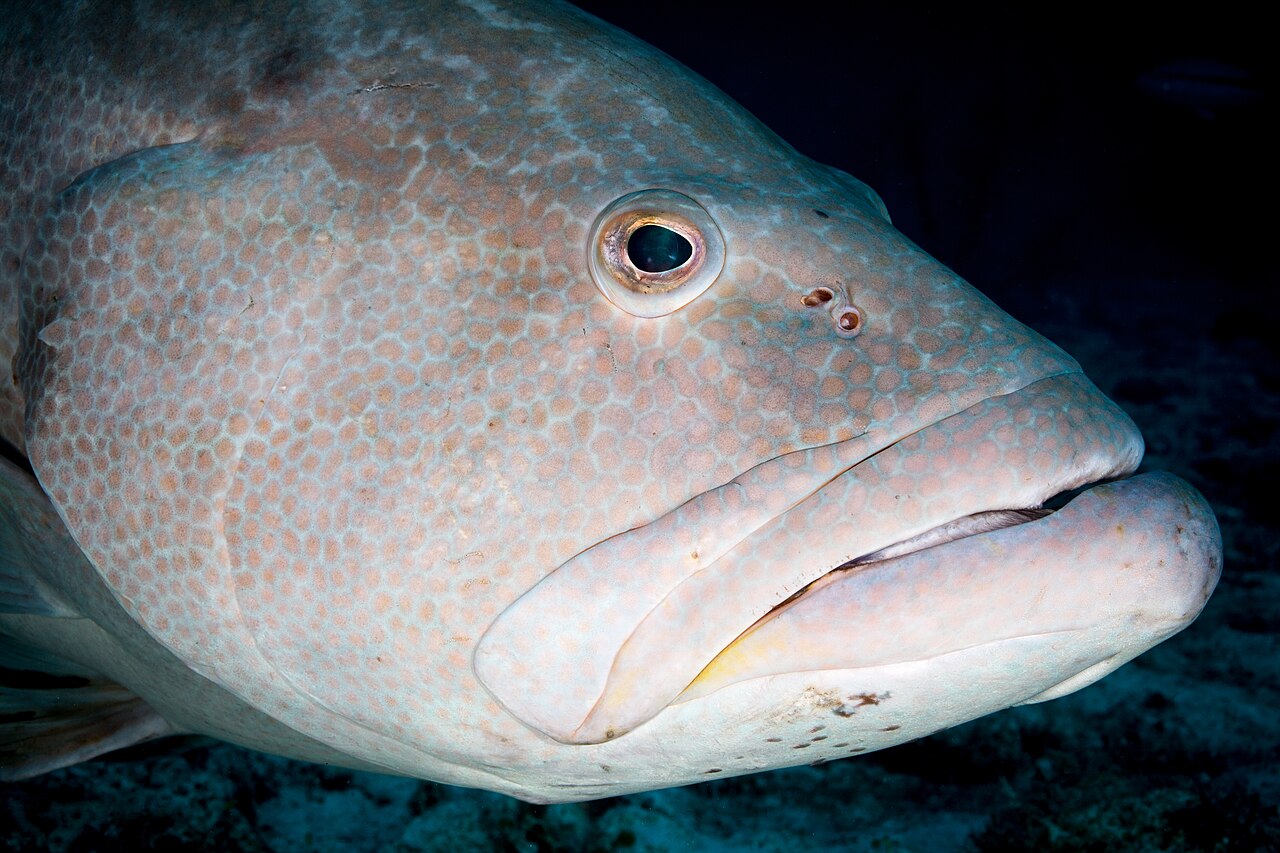
These teleosts have stout bodies and large mouths, built for power rather than sustained speed. Some species grow over a meter long. The largest, the Atlantic goliath grouper (*Epinephelus itajara*), has been recorded at 399 kilograms (880 pounds) and 2.43 meters (7 feet 11.5 inches), though sizes vary widely across the group. Groupers swallow prey whole instead of biting off pieces. They have few teeth along the jaw edges but possess heavy crushing tooth plates inside the pharynx. Their diet includes fish, octopuses, and crustaceans. Some species ambush prey, while others actively hunt. Reports of fatal attacks on humans by the largest species, such as the giant grouper (*Epinephelus lanceolatus*), remain unconfirmed. Their mouths and gills create a powerful vacuum to pull in prey from a distance. They also use their mouths to dig shelters under large rocks, expelling sand through their gills. Research shows that roving coral groupers (*Plectropomus pessuliferus*) sometimes cooperate with giant morays while hunting. Groupers are also among the few animals that eat invasive red lionfish.
The word "grouper" comes from the Portuguese *garoupa*, possibly from an indigenous South American language. The family name Epinephelidae derives from the type genus *Epinephelus*, meaning "clouded over" in ancient Greek—a reference to the cloudy eye membrane seen in most groupers known to early European scientists. In Australia, "groper" is used for several species, like the Queensland grouper (*Epinephelus lanceolatus*). In New Zealand, "groper" refers to a wreckfish, *Polyprion oxygeneios*, called hapuka (from Māori *hāpuku*). In the Philippines, groupers are generally called *lapu-lapu* in Luzon and *pugapo* in the Visayas and Mindanao. They are known as *kerapu* in Indonesian and Malay, *hammour* in the Middle East (especially the Persian Gulf region), and *mero* in Latin America. Earlier taxonomic systems placed soapfishes (tribes Grammistini and Diploprionini) within the subfamily Epinephelinae, but Eschmeyer's Catalog of Fishes now treats them as separate families.
Most groupers are monandric, protogynous hermaphrodites: they mature only as females and can later change sex. Some species grow about one kilogram per year, becoming female at around 3 kilograms (6.6 pounds). The largest males often control harems of up to 15 females. Groupers frequently pair-spawn, allowing large males to competitively exclude smaller ones from reproduction. If a small female changed sex before controlling a harem, her fitness would drop. When no male is available, the largest female that can improve her fitness by changing sex will do so. However, some groupers are gonochoristic (having two distinct sexes). This strategy has evolved independently in groupers at least five times. Gonochorism is linked to group spawning and abundant habitat cover, both of which increase the chance that smaller males can reproduce despite larger males. In environments where large males cannot exclude smaller ones, male fitness depends on sperm production and thus testicle size. Gonochoristic groupers have testes about 10% of body mass, compared to 1% in protogynous groupers, indicating that gonochorism boosted male fitness where competitive exclusion failed.
Like other fish, groupers host parasites such as digeneans, nematodes, cestodes, monogeneans, isopods, and copepods. A study in New Caledonia found that coral reef-associated groupers average about 10 parasite species per fish species. Monogeneans of the genus *Pseudorhabdosynochus* (family Diplectanidae) are typical and especially numerous on groupers.
Many groupers are important food fish, and some are now farmed. Unlike most fish, which are chilled or frozen, groupers are often sold alive in markets. They are popular targets for big-game fishing. Some smaller species can be kept in aquariums, though they tend to grow quickly. Groupers are commonly reported as a source of ciguatera fish poisoning. DNA barcoding is used to identify grouper species.
- field
- Marine ray-finned fish
- family
- Epinephelidae
- order
- Perciformes
- largest_species
- Atlantic goliath grouper (Epinephelus itajara)
- maximum_length
- 2.43 m (7 ft 11+1⁄2 in)
- reproduction
- Mostly protogynous hermaphrodites; some gonochoristic
Lore & Background
Groupers are teleosts with stout bodies and large mouths, not built for long-distance fast swimming. They swallow prey whole, using heavy crushing tooth plates inside the pharynx, and their mouths and gills create a powerful vacuum to pull in prey. They habitually eat fish, octopuses, and crustaceans, and are among the animals that eat invasive red lionfish, along with sharks, eels, and large snappers. Some species ambush prey, while others are active predators; reports of fatal attacks on humans by the largest species are unconfirmed. Groupers are mostly monandric, protogynous hermaphrodites, maturing only as females and changing sex after maturity. The largest males often control harems, though harem size varies widely by species. However, some groupers are gonochoristic, a strategy that has evolved independently at least five times, linked to group spawning and high habitat cover. Gonochoristic groupers have larger testes than protogynous ones. Groupers harbor parasites including digeneans, nematodes, cestodes, monogeneans, isopods, and copepods. Coral reef-associated groupers have about 10 species of parasites per fish species. Monogeneans of the genus Pseudorhabdosynochus are typical and especially numerous on groupers.
Reader's Guide
Groupers are significant as important food fish, often sold alive in markets, and are popular game fish for big-game fishing. Some species are farmed, and small species are kept in aquaria, though they grow rapidly. They are commonly reported as a source of ciguatera fish poisoning, and DNA barcoding may help control this by identifying fish from meal remnants. The word 'grouper' derives from the Portuguese 'garoupa', possibly from an indigenous South American language. In Australia, 'groper' is used for several species; in New Zealand, 'groper' refers to a wreckfish. In the Philippines, they are known as 'lapu-lapu' or 'pugapo'; in Indonesia and Malaysia as 'kerapu'; in the Middle East as 'hammour'; and in Latin America as 'mero'. The family name Epinephelidae comes from the type genus Epinephelus, meaning 'clouded over' in ancient Greek, referencing the cloudy membrane covering the eyes of most groupers. Research indicates roving coralgroupers sometimes cooperate with giant morays in hunting.
Did You Know?
- Groupers are among the animals that eat invasive red lionfish, along with sharks, eels, and large snappers.
- Groupers are mostly protogynous hermaphrodites, maturing as females and changing sex after maturity.
- The word 'grouper' comes from the Portuguese name 'garoupa', possibly from an indigenous South American language.
Stature and Appearance
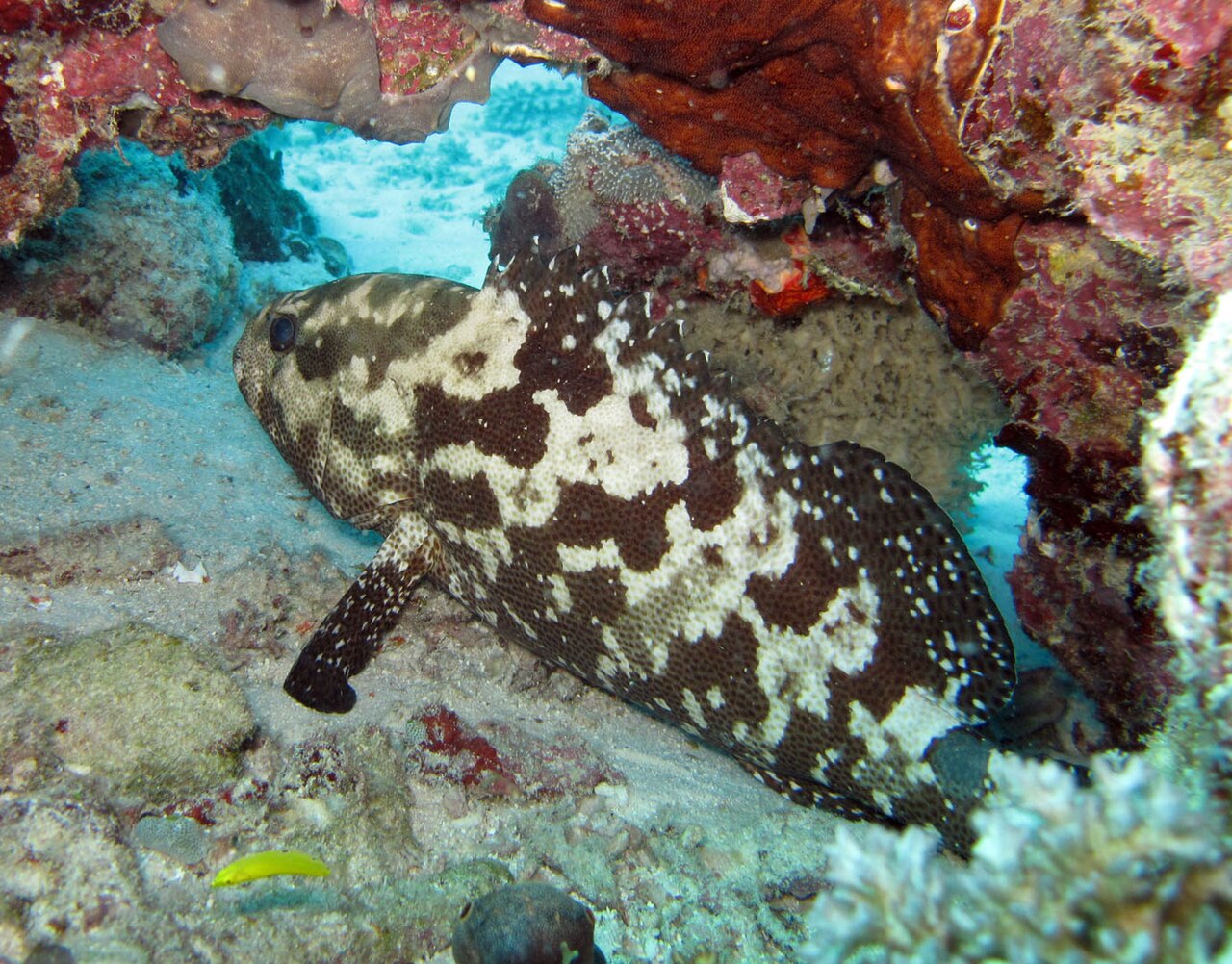
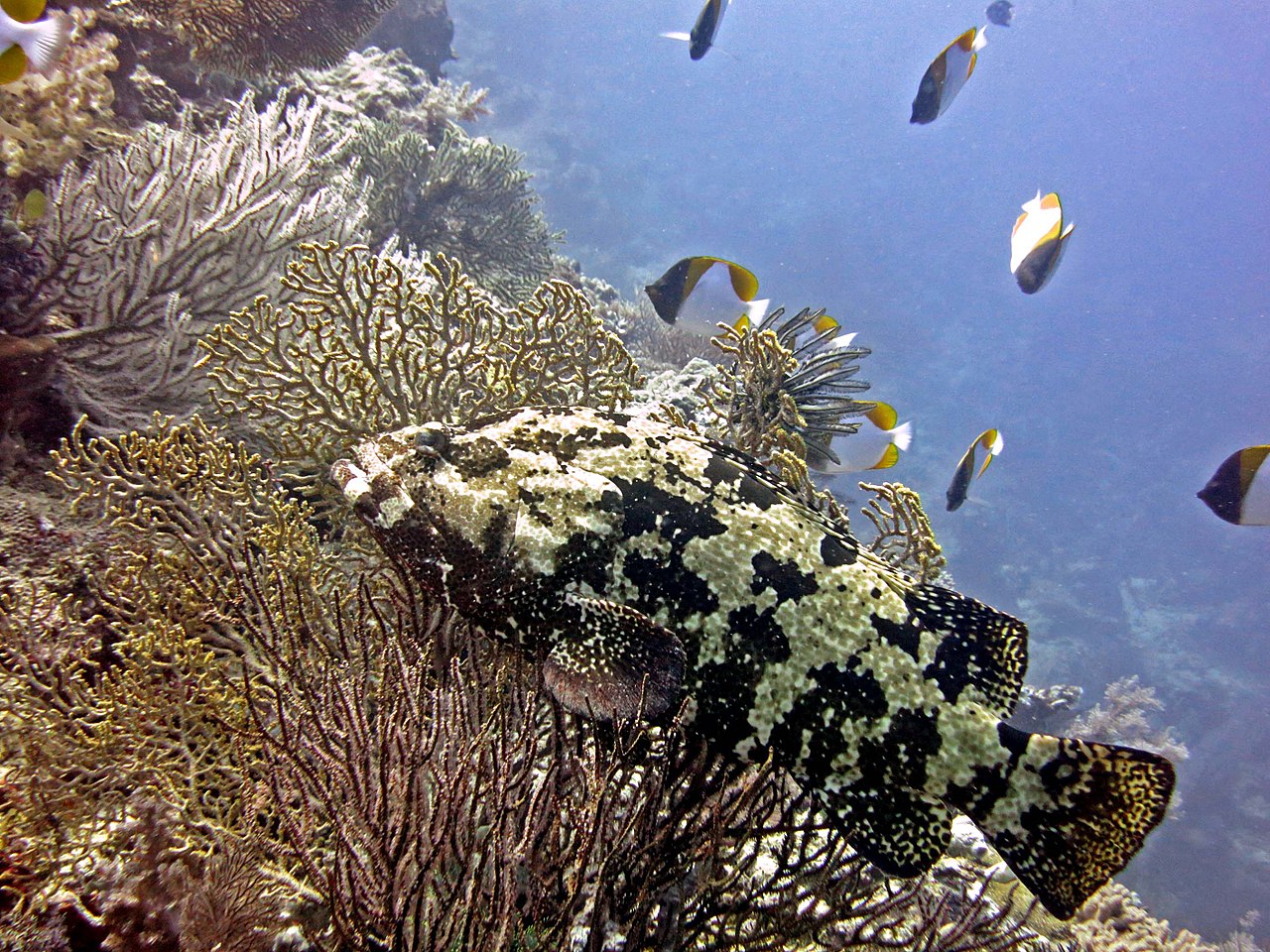
The giant grouper commands the reef as one of the largest living bony fish on Earth. Its body is powerfully built, with a standard length reaching 2.4 to 3.4 times its depth, giving it a stocky, almost blocky silhouette. The head shows a convex dorsal profile and a convex intraorbital region, while the preopercle features a rounded corner edged with fine serrations. Fin structure is distinctive: the dorsal fin carries eleven spines alongside fourteen to sixteen soft rays, the anal fin holds three spines and eight soft rays, and the caudal fin is only slightly rounded. Along the lateral line, fifty-four to sixty-two scales are counted. Colouration shifts dramatically with age. Adults wear a grayish-brown coat overlaid with a mottled pattern, their fins appearing darker still. Juveniles, by contrast, flash in yellow with broad, irregular dark bars and scattered dark spots across their fins. In terms of sheer size, the maximum recorded standard length stands at 270 centimetres, though individuals around 180 centimetres are more typical. The heaviest published weight reaches 400 kilograms, a figure that underscores just how formidable this fish can become.
Global Range and Reef Life
The giant grouper holds the title of the most widely distributed grouper species on the planet, spanning a vast Indo-Pacific corridor. Its range stretches from the Red Sea and the eastern African coast southward to Algoa Bay, across the Indian Ocean, and into the Western Pacific as far as the Pitcairn Islands and Hawaii. To the north it reaches southern Japan, and to the south it extends along Australia's tropical coasts from Rottnest Island eastward and then south along the eastern seaboard to Woy Woy in New South Wales. Additional records exist around Christmas Island, the Cocos (Keeling) Islands, and the Elizabeth and Middleton Reefs in the Tasman Sea, with unconfirmed sightings from the Younghusband Peninsula in South Australia and northeastern New Zealand. Notably, the species is absent from the Persian Gulf yet present off Pakistan and southern Oman. In terms of habitat, it inhabits shallow waters from one to one hundred metres, favouring reefs where it is the largest known bony fish. Adults tend to be solitary, holding territories on outer reefs and in lagoons, while secretive juveniles linger among reef structures. Large individuals have even been pulled from harbours and shore, and prawn fishermen occasionally encounter them in turbid, silty or muddy bottom waters.
Reproductive Biology and Predatory Strategy
Giant groupers are protogynous hermaphrodites, a reproductive strategy that adds a fascinating layer to their social life. They spawn in aggregations on a lunar cycle, with each spawning event lasting roughly seven days. In captive observations, the dominant male and female typically initiate the spawning, but as the event progresses, additional members of the group join in fertilizing eggs, and even the most recently sex-changed males can father offspring. The species is specifically diandric protogynous, meaning some males transition from a functional female phase while others begin producing sperm without ever having been reproductive females. Outside of spawning, the giant grouper is a solitary, long-lived ambush predator. It strikes at a wide menu of prey—fishes, small sharks, batoids, juvenile sea turtles, crustaceans, and molluscs—all swallowed whole. A 177-centimetre specimen taken off Maui in Hawaii was found to have consumed two spiny lobsters and several crabs, while individuals in South African estuaries feed almost exclusively on the crab Scylla serrata. Despite their size, these fish are notably curious and often approach divers at close range, though handlers are cautioned against feeding large specimens by hand due to documented attacks.
Human Connections and Cultural Footprint
The giant grouper has long been entangled with human economies and cultures. It is a highly prized food fish, harvested by both commercial and recreational fisheries across its range. In Hong Kong, smaller specimens are especially valued as live fish for the live reef food fish trade, and parts of the animal—its skin, gall bladder, and stomach—figure in Traditional Chinese Medicine. Mariculture of this species is widespread, though a persistent bottleneck is the limited supply of wild juveniles; hatcheries in Taiwan have helped by producing captive-bred young that are then exported to grow-out facilities elsewhere in South-East Asia. Many farmed specimens are actually hybrids between the giant grouper and Epinephelus fuscoguttatus. The species also holds a place in scientific history: Bubba, a giant grouper at the Shedd Aquarium in Chicago, was the first fish ever to undergo chemotherapy. Taxonomically, the fish was first formally described in 1790 by the German naturalist Marcus Elieser Bloch under the name Holocentras lanceolatus, with the type locality given as the East Indies. Later, Felipe Poey grouped it with the goliath grouper under the genus Promicrops, a name that was reclassified as a subgenus of Epinephelus in 1972.
Gallery
Frequently Asked Questions
What exactly is a grouper?
A grouper is a large, predatory marine ray-finned fish belonging to the family Epinephelidae within the order Perciformes. The name most commonly refers to species in the genera Epinephelus and Mycteroperca, though it can also encompass several smaller genera.
What is the largest grouper species?
The Atlantic goliath grouper (Epinephelus itajara) holds the record as the biggest member of the group, reaching a maximum length of about 2.43 meters, or roughly 7 feet 11.5 inches.
How do groupers reproduce?
Most grouper species are protogynous hermaphrodites, meaning they are born female and later change sex to become male. A smaller number of species, however, are gonochoristic, with fixed male and female individuals from birth.
Are groupers the same as seabasses?
No, although groupers were once classified as a subfamily within the seabass family Serranidae, modern taxonomy treats Epinephelidae as a separate family. They share a close evolutionary relationship but are now recognized as distinct.
What role do groupers play in their ecosystem?
As large ambush predators, groupers sit near the top of coral-reef and rocky-reef food webs, keeping populations of smaller fish and invertebrates in check. Their size and hunting style make them a keystone component of the habitats they inhabit.
More in Fish 1-24
Spotted an error? Know more?
This is a living reference — every entry is fact-audited, and reader corrections feed straight into our audit queue. Suggest an edit · See this site's audit record