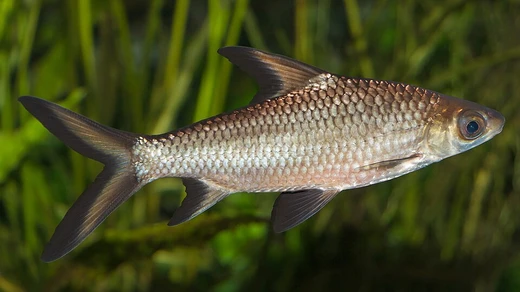
Agnatha
Jawless vertebrates, both living and extinct, from the Cambrian onward.

Unidentified painter · Public domain
Agnatha, meaning 'without jaws' in Ancient Greek, is a paraphyletic group of animals within the phylum Chordata, often treated as a superclass or informal grouping rather than a formal infraphylum. They are characterized by the lack of jaws and include both living groups (cyclostomes such as hagfishes and lampreys) and extinct clades (e.g., conodonts and cephalaspidomorphs). The living cyclostomes (hagfishes and lampreys) form the sister group to jawed vertebrates (gnathostomes), while extinct agnathans are stem-group vertebrates or stem-gnathostomes. The earliest definitive gnathostome fossils appear in the late Silurian (Ludlow epoch), but the split from jawless ancestors likely occurred earlier, in the Ordovician or early Silurian.
- field
- Paleontology, Zoology
- known_for
- Lack of jaws; oldest known vertebrates; paraphyletic group including hagfishes, lampreys, and extinct armored forms
- oldest_fossils
- Cambrian
- metabolism
- Ectothermic
Lore & Background
Agnathans are ectothermic, with a slow metabolism in cold water, and lack a distinct stomach, having instead a long, homogeneous gut. Lampreys feed on carrion and other fish or marine mammals, injecting anticoagulant fluids into hosts; hagfish are scavengers that use sharp teeth to break down dead animals. Their teeth cannot move up and down, limiting food types. Modern agnathans lack paired fins and scales, have a notochord throughout life, and possess seven or more paired gill pouches. Hagfish have copious slime glands for defense, while many extinct agnathans had heavy dermal armor or mineralized scales.
Reader's Guide
Agnatha represent a critical stage in vertebrate evolution, as the earliest known vertebrates were jawless. Although a minor element of modern marine fauna, they were prominent in the early Paleozoic, with armored forms like ostracoderms appearing in the middle Ordovician and reaching their peak in the Late Silurian. Most extinct agnathans, such as thelodonts and osteostracans, are more closely related to gnathostomes than to living cyclostomes. Agnathans declined in the Devonian and never recovered. Their adaptive immune system is unique among vertebrates, based on variable lymphocyte receptors (VLRs) rather than the immunoglobulin-based system of jawed vertebrates. The paraphyletic nature of Agnatha means that excluding cyclostomes or including all vertebrates would render the group either incomplete or synonymous with Vertebrata.
Did You Know?
- The oldest fossil agnathans appeared in the Cambrian.
- Hagfish are not universally considered members of Vertebrata because they lack vertebrae; some classifications place them in Craniata as a sister group to Vertebrata, and the claim of secondary loss of vertebrae is debat
- Agnathans have no distinct stomach, but rather a long gut homogeneous throughout its length.
Evolutionary Arc: From Cambrian Pioneers to Modern Relics
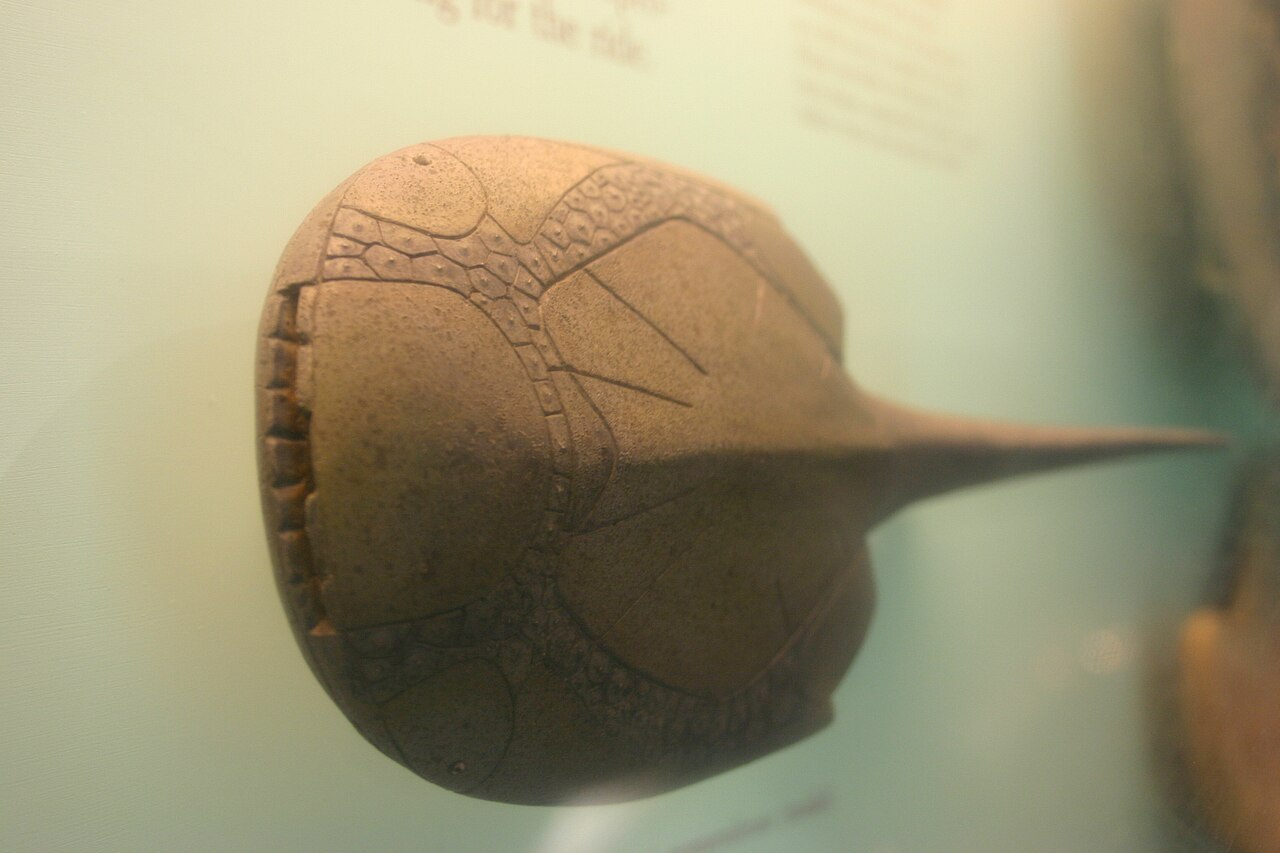
Agnatha represent one of the deepest branches in the vertebrate family tree, with their oldest fossil representatives appearing in the Cambrian period. The Maotianshan shales of China have yielded specimens such as Haikouichthys and Myllokunmingia, which display fins, vertebrate musculature, and gills, and have been tentatively placed within Agnatha. Conodonts, another agnathan lineage that emerged in the early Cambrian, persisted until their extinction in the Triassic, leaving behind teeth so abundant that paleontologists routinely use them as index fossils spanning the late Cambrian through the Triassic. By the middle Ordovician, the first armored agnathans—the ostracoderms—had appeared, and by the Late Silurian the group had reached its evolutionary peak, with many Ordovician, Silurian, and Devonian forms encased in heavy bony-spiky plates. Yet most of these armored lineages, including thelodonts, osteostracans, and galeaspids, were actually closer relatives of jawed vertebrates than of the surviving cyclostomes. The cyclostome lineage appears to have branched off before dentine and bone evolved. Agnathans began declining during the Devonian and never regained their former prominence, leaving today's roughly 120 living species as a minor but ancient element of marine fauna.
Body Plan: A Skeleton Without Jaws or Paired Fins
Modern agnathans are defined by a suite of shared anatomical features that set them apart from jawed vertebrates. They lack jaws entirely, possess no paired fins, and retain a notochord throughout both larval and adult life stages. Their gill region contains seven or more paired pouches, and their skeleton is entirely cartilaginous with a two-chambered heart. Lampreys additionally bear a light-sensitive pineal eye, a structure homologous to the pineal gland found in mammals. The body surface is covered in bare skin without any dermal or epidermal scales. Hagfish take this further by lining their skin with copious slime glands; the resulting secretion serves as a defense mechanism that can clog the gills of predatory fish and kill them. In stark contrast, many extinct agnathans wore extensive exoskeletons of massive dermal armour or small mineralized scales. While almost all agnathans lack paired appendages, most do possess a dorsal or caudal fin. A few fossil groups, including osteostracans and pituriaspids, did develop paired fins—a trait that was inherited by their jawed descendants.
Metabolism and Feeding: Slow-Burning Scavengers and Suckers
Agnathans are ectothermic, meaning their body temperature fluctuates with the surrounding water. In cold environments their metabolism runs slowly, which means they require relatively little food to survive. They lack a distinct stomach; instead, their digestive tract is a long, fairly uniform tube running the length of the body. This simple gut constrains their dietary options. Because agnathan teeth cannot move up and down, the range of prey they can process is inherently limited. Lampreys are the more active feeders, attaching to other fish and marine mammals and injecting anticoagulant fluids that prevent the host's blood from clotting, thereby drawing out more blood. Some lamprey species are non-carnivorous, and they will also consume carrion. Hagfish, by contrast, are primarily scavengers, feeding on dead animals and using a row of sharp, immobile teeth to break down their meals. They have also been observed actively hunting, though scavenging remains their dominant strategy.
Reproduction and a Unique Immune System
Reproduction in agnathans is among the simplest in the vertebrate world. Lampreys fertilize externally in freshwater riverbeds, where pairs work together to construct a nest and bury their eggs roughly an inch beneath the sediment. Once hatched, the larvae undergo approximately four years of development before maturing into adults, and each lamprey reproduces only once in its lifetime. Hagfish reproduction remains poorly understood, but it is believed that a single hagfish produces only about thirty eggs over its entire life. No parental care is observed in any agnathan group. On the immunological front, agnathans possess a strikingly different adaptive immune system from jawed vertebrates. Rather than the V(D)J gene rearrangement and somatic hypermutation found in gnathostomes, jawless vertebrates rely on variable lymphocyte receptors built from a large panel of leucine-rich-repeat sequences. Three VLR genes—VLRA, VLRB, and VLRC—have been identified in both lampreys and hagfish, expressed on three distinct lymphocyte lineages, with VLRA-positive and VLRC-positive cells developing in thymus-like structures called thymoids.
Gallery

Frequently Asked Questions
What is Agnatha?
Agnatha is a collective term for jawless vertebrates in the chordate phylum, the name coming from Ancient Greek for 'without jaws.' It covers living cyclostomes like hagfishes and lampreys as well as a range of extinct armored lineages.
Why isn't Agnatha a single formal taxonomic clade?
Because the group is paraphyletic—it excludes jawed vertebrates (gnathostomes) that actually evolved from within the same ancestral lineage. Taxonomists therefore treat it as an informal or superclass-level grouping rather than a formal infraphylum.
How old are the earliest Agnatha fossils?
Definitive agnathan fossils appear in the Cambrian, placing them among the oldest vertebrates ever recorded. These early stem-group forms, such as cephalaspidomorphs, show heavy external armor unlike anything seen in modern jawless fish.
What's the relationship between living Agnatha and jawed fish?
Living hagfishes and lampreys sit as the sister group to all gnathostomes, meaning they are the closest surviving relatives of jawed vertebrates. Extinct agnathans, by contrast, represent earlier branching stem-lineages that predate the jawed-fish split.
Are all Agnatha cold-blooded?
Yes. Every agnathan, whether a modern lamprey or a Cambrian armored form, is ectothermic and depends on ambient water temperature to regulate its body heat. Endothermy did not appear until much later vertebrate lineages.
More in Fish 1-24
Elsewhere in the Fish universe
Spotted an error? Know more?
This is a living reference — every entry is fact-audited, and reader corrections feed straight into our audit queue. Suggest an edit · See this site's audit record