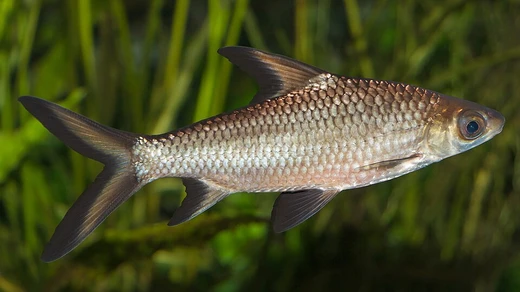
Coral reef fish
Diverse, colorful fish adapted to complex coral reef ecosystems.

Coral reef fish are marine fish that live among or in close relation to coral reefs. They are notable for their bright colors, complex behaviors, and the fact that coral reefs, though covering less than 1% of the world's ocean surface, provide a home for 25% of all marine fish species. These fish have evolved numerous adaptations—such as cryptic coloration, venomous spines, and specialized feeding strategies—to survive in the crowded, biodiverse reef environment.
- habitat
- Coral reefs (less than 1% of ocean surface)
- species_estimate
- 6,000–8,000 species worldwide
- major_regions
- Indo-Pacific (4,000–5,000 species) and greater Caribbean (500–700 species)
- body_type
- Most are ray-finned fishes with sharp, bony rays and spines
- key_adaptations
- Cryptic coloration, venomous spines, shoaling, specialized mouths
Lore & Background
Coral reef fish are the result of millions of years of coevolution among algae, invertebrates, and fish. Most are ray-finned fishes, using their sharp, bony spines for defense—often locked in place or venomous. Many have evolved cryptic coloration to confuse predators, and small reef fish hide in crevices or form shoals for protection. Some, like triggerfish, wedge themselves into hiding spots by erecting their spines. Surgeon fish, for example, are herbivores that feed on benthic turf algae and also clean algae from marine turtle shells; they do not tolerate other fish of the same color or shape and can slash with tail spines when alarmed.
Reader's Guide
Coral reef fish are significant because they represent the most diverse fish assemblages on Earth, with an estimated 6,000–8,000 species. Their adaptations—such as body shapes optimized for maneuverability in confined reef spaces, and color patterns used for camouflage, species recognition, or warning—illustrate the evolutionary pressures of a complex, crowded habitat. The loss and degradation of coral reefs due to pollution, overfishing, and destructive practices threaten these fish and their ecosystems. The mechanisms maintaining such high species diversity remain debated, with factors including habitat complexity, food variety, and larval settlement processes. The Indo-Pacific region holds the greatest richness, with 4,000–5,000 species, while the greater Caribbean has 500–700 species, and the two regions have no natural species overlap.
Did You Know?
- Coral reefs occupy less than 1% of the world's ocean surface but host 25% of all marine fish species.
- The foureye butterflyfish has a false eyespot on its rear to confuse predators into attacking the tail instead of the head.
- Surgeon fish can erect spines in their tail and slash at opponents with rapid sideways movements.
- The tasseled scorpionfish is an ambush predator that looks like part of the sea floor encrusted with coral and algae.
More in Fish 1-24
Elsewhere in the Fish universe
Spotted an error? Know more?
This is a living reference — every entry is fact-audited, and reader corrections feed straight into our audit queue. Suggest an edit · See this site's audit record