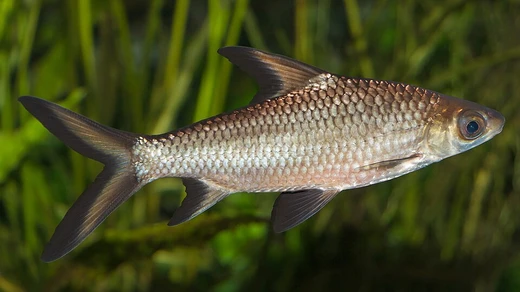
Koi
Ornamental carp bred from Amur carp in Japan.

Koi, also known as nishikigoi (brocaded carp), are colored varieties of carp (Cyprinus sp.) kept for decorative purposes in outdoor ponds or water gardens. Originating from breeding that began in Niigata, Japan, in the early 19th century, they are distinguished by coloration, patterning, and scalation, with major colors including white, black, red, orange, yellow, blue, brown, cream, and metallic shades. The most popular category is the Gosanke, comprising the Kōhaku, Taishō Sanshoku, and Shōwa Sanshoku varieties.
- field
- Ornamental fish breeding
- nationality
- Japanese
- known_for
- Decorative colored carp varieties
- origin
- Niigata, Japan
- era
- Early 19th century onward
Lore & Background
The systematic breeding of ornamental Amur carp began in the 1820s in the Nijūmuragō area of Niigata Prefecture, Japan. A severe drought around that time forced carp to take refuge in shrine ponds, preserving the stock.
Reader's Guide
Koi represent a significant cultural and economic development in Japanese ornamental fish breeding. Their history reflects a transition from food fish to luxury hobby, driven by farmers in Niigata who used fallow fields and hidden rice fields to avoid taxes, gaining wealth to pursue breeding. The name 'nishikigoi' did not appear until the 1910s; earlier terms included Madaragoi, Kawarigoi, Irogoi, and Moyōgoi. Koi breeding illustrates how mutation-based color variations, unstable and costly to maintain, were selectively stabilized into the many varieties recognized today, with the Gosanke being the most popular category.
Did You Know?
- The most popular category of koi is the Gosanke, which includes Kōhaku, Taishō Sanshoku, and Shōwa Sanshoku varieties.
- The name 'nishikigoi' (brocaded carp) did not exist until the 1910s; before that, they were called Madaragoi, Kawarigoi, Irogoi, or Moyōgoi.
- The Amur carp (Cyprinus rubrofuscus) has been aquacultured as a food fish since at least the fifth century BCE in China.
Frequently Asked Questions
Who is Koi?
Koi are decorative colored carp (Cyprinus sp.) raised specifically for their eye-catching coloration and patterns in outdoor ponds and water gardens. They are not a distinct species but rather ornamental varieties selectively bred from common carp.
What are Koi's powers or role?
Koi's purpose is purely aesthetic: they are prized for vivid hues, intricate patterning, and distinctive scale work. The most celebrated lineup is the Gosanke trio—Kōhaku, Taishō Sanshoku, and Shōwa Sanshoku—each defined by a specific color arrangement.
How does Koi's story end?
Koi are long-lived fish that can thrive for several decades in a well-kept pond, so their narrative is an ongoing one rather than a fixed conclusion. Their legacy persists through generations of selective breeding that continue to produce new color and pattern combinations.
Why is Koi important?
Koi embody more than two centuries of Japanese ornamental-fish tradition and remain a major cultural and economic force in the global aquatics hobby. Their breeding heritage, rooted in Niigata, Japan, has made them one of the most recognizable ornamental species worldwide.
Where did Koi originate?
Koi breeding traces back to the Niigata region of Japan in the early 1800s, when farmers first noticed naturally colored carp in rice-field irrigation ponds. That regional curiosity evolved over decades into the structured, worldwide hobby of koi cultivation we see today.
More in Fish 25-40
Elsewhere in the Fish universe
Spotted an error? Know more?
This is a living reference — every entry is fact-audited, and reader corrections feed straight into our audit queue. Suggest an edit · See this site's audit record